What to Wear for Professional Photos Over 50, San Diego guide (what actually will Flatter You)
“I don’t know what to wear.” I hear this before almost every session. And I understand the stress underneath. It feels like your outfit choice will make or break your whole photoshoot.
Here's the truth: Your clothing matters, but it's not everything.
Celebrity stylist Erin Walsh said it perfectly (I'm paraphrasing): "When you see a celebrity all decked out, they make a big impression. But it's not really the clothes you're taking in. It's how they feel, how they project, how they're holding themselves. That's what you remember!"
You don't need a new wardrobe. You don't need to look trendy.
And you definitely don't need to look like someone else.
You just need pieces that support you in being you.
The One Rule That Covers it all:
Wear something that fits well, has shape, and doesn't compete with your face.
This alone gets you 80% of the way there. ✅
Now, here's how to dial in the rest.
Start With What Feels Like You (On Your Best Day)
The goal isn't to dress up as someone you don't recognize. It's to look like yourself on a really good day.
Think about an outfit where you felt:
Pulled together
Comfortable in your body
Like you could walk into any room and handle things
That's your starting point.
If you feel “off” in your clothes, it shows in photos immediately. If you feel good? That shows too. And it's far more powerful than any trend.
1. Go for Shape: Not Tight, Not Baggy
Clothes that are too tight cling and pull in the wrong places.
Clothes that are too loose add bulk and width where you don't want it.
What works best:
Pieces that skim your body
Light structure (jackets are perfect for this)
Gentle tapering at the waist
Think: Polished, not squeezed. Relaxed, not sloppy.
2. Choose Simple Colors That compliment Your Skin
Solid colors photograph best. Every time.
Good options:
Navy or various blues
Soft white or cream
Charcoal
Pinks or corals
Muted greens or berry tones
Do NOT wear:
Loud patterns
Heavy prints
Geometric designs
These pull attention away from your face, guaranteed.
If someone notices your outfit before they notice you, it's not the right choice.
3. Pick Flattering Necklines
A good neckline:
Opens up your face
Elongates your neck
Keeps things feeling fresh and current
Most flattering options:
V-necks
Scoop necks
Open collars
High, tight necklines or turtlenecks can feel heavy and shorten your neck in your images.
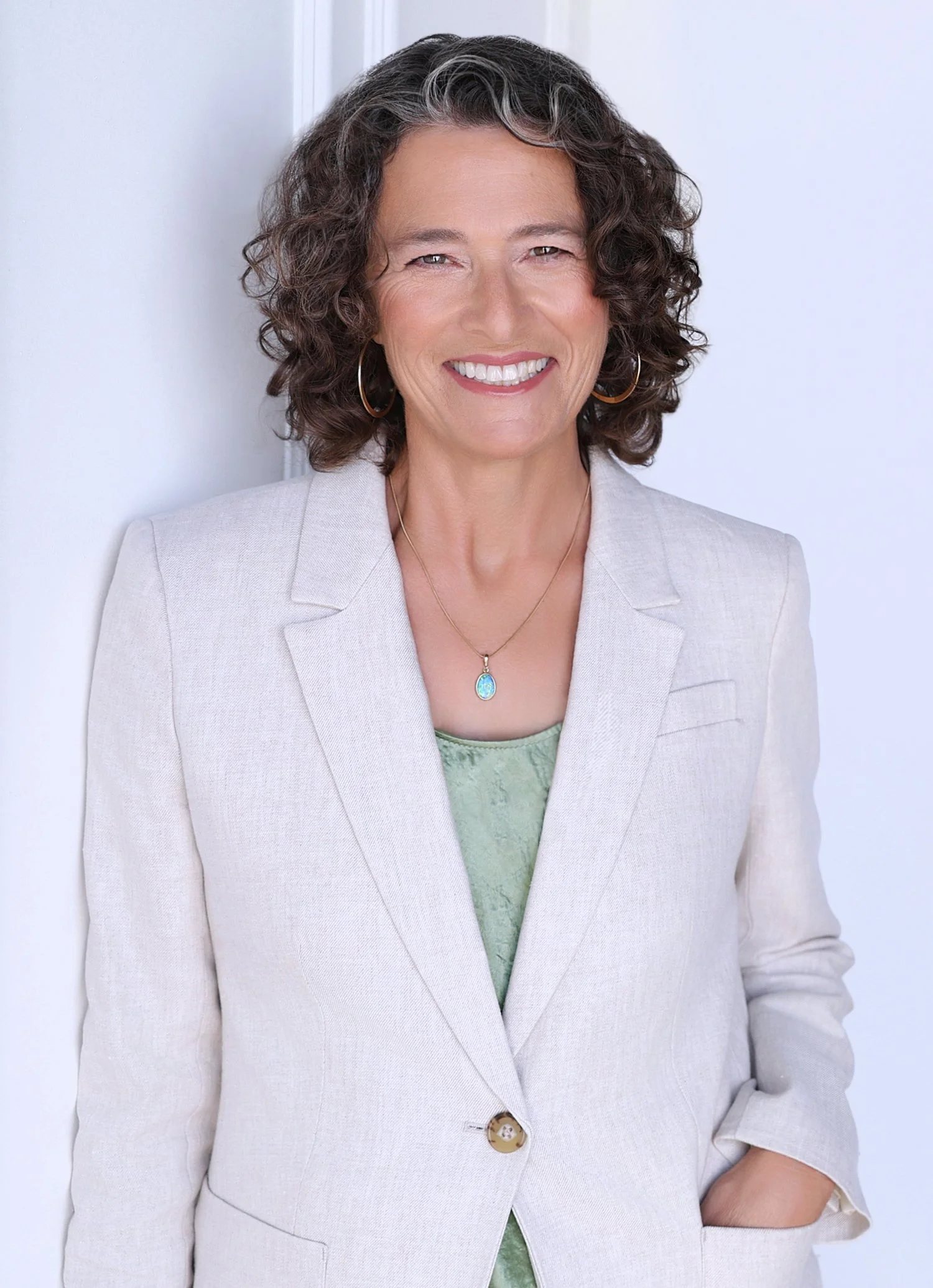
Clean, soft, and classic, all the attention is on her face and the wonderful energy she is emitting.
4. Layers Are Your Secret Weapon
A simple layer changes everything for the better.
Adding a jacket, cardigan, or blazer:
Creates structure and shape
Smooths the arm area
Instantly makes the image feel more finished
Gives you variety without a full outfit change
It's one of the easiest ways to look pulled together without overthinking it.
5. Don't Overlook the Small Details
These are the things you can check to make sure you are camera-ready.
Quick checklist:
Bra straps (especially with wider necklines) or bra color showing under tops
Wrinkles or permanent creases
Can you move comfortably? Tight or stiff clothing makes you unable to move
Overly bulky fabrics that add width
You don't need perfection, just a quick once-over to see how everything sits on your body.
6. Shoes Matter (Yes, Even for Headshots)
Even if they're not in the shot, shoes affect how you stand.
When you feel grounded and comfortable, your posture changes.
Posture changes the way you move and the confidence you feel.
7. Bring clothing Options, But Not Too Many
I recommend 2–3 outfits for variety without overwhelm.
A simple mix:
One polished look – your most professional (think: giving a speech)
One more relaxed look – professional but approachable
One casual look – the "real" you, at lunch with friends
This provides you with photos for LinkedIn, your website, speaking engagements, and more.
8. The Most Important Part
Clothes help. But they're not what makes the photo.
The difference between a photo you love and one you don't is how you feel while it's being taken.
If you feel guided, comfortable, and seen, it shows.
If you're having fun and feel special, it shows.
When you have the right photographer, it shows, too.
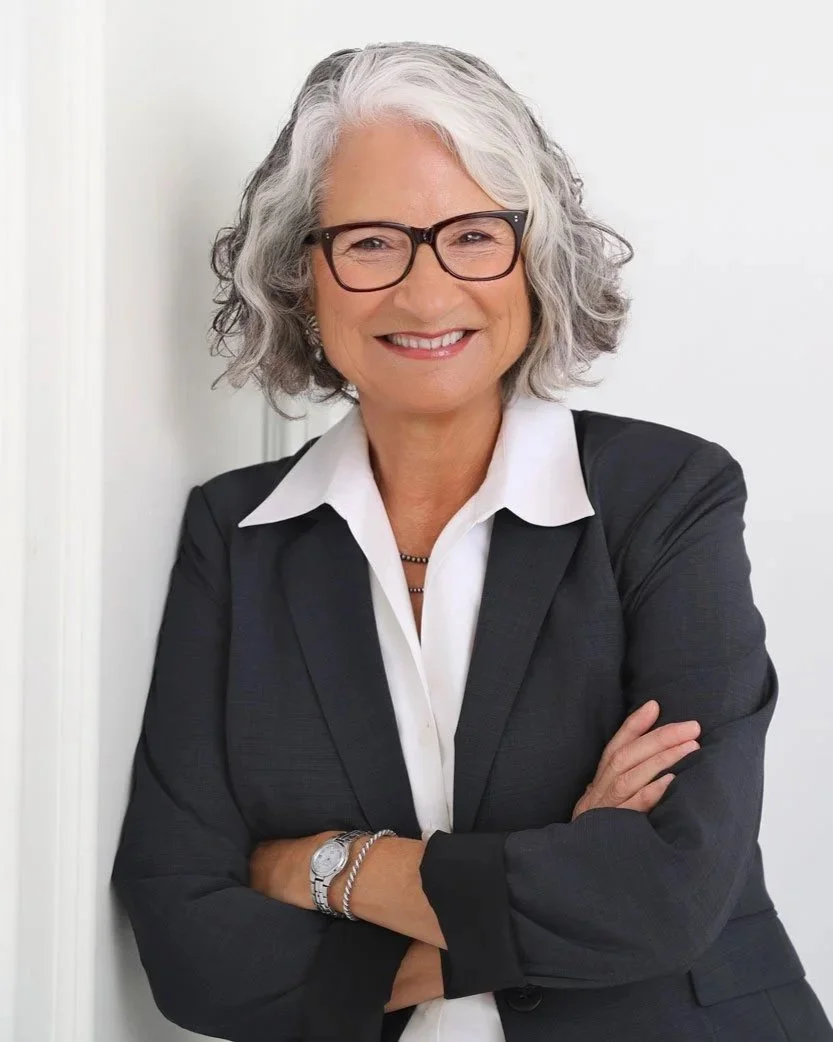
This kind of look can feel powerful and strong; add a gorgeous smile, and you look like the person that we all want to work with!